Marjorie Post: "The Ice Queen"
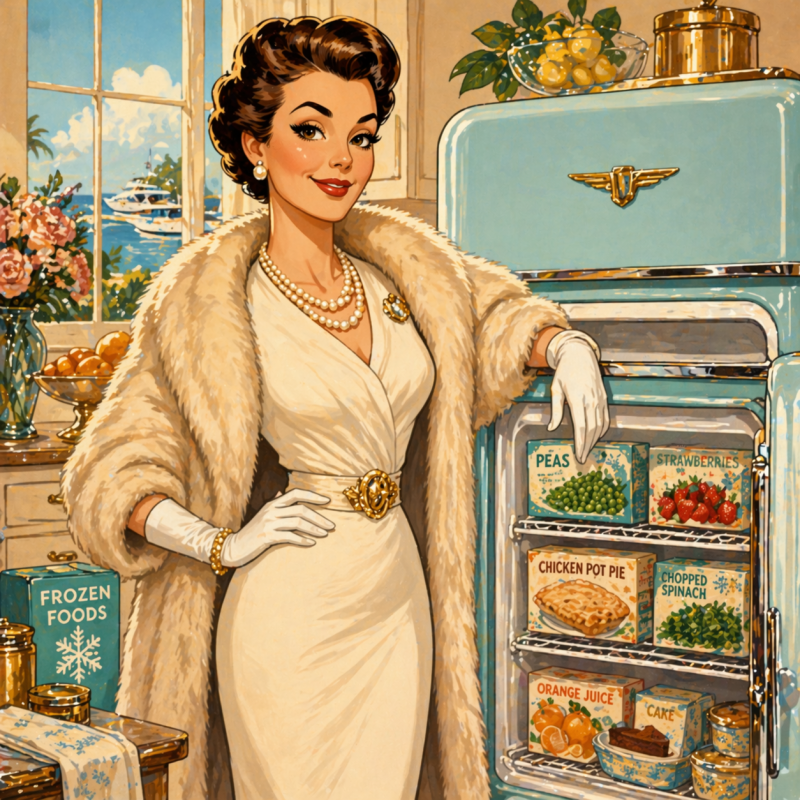
They thought she was in the business of selling cereal.
She was in the business of freeing women from the kitchen.
Early Life
Marjorie Merriweather Post was born in 1887, the daughter of entrepreneur C.W. Post. Before building a food empire, her father had struggled for years with declining health, nervous exhaustion, and digestive ailments. Seeking treatment, he spent time in Battle Creek, Michigan where he grew an interest in health foods and conveniently prepared meals.
He developed products such as Postum and later Grape-Nuts, helping popularize ready-to-eat breakfast foods in American homes. At a time when many women spent hours preparing meals from scratch, convenient cereals offered something quietly revolutionary: time.
Marjorie grew up watching her father build a national company from personal struggle and learned early that products could reshape daily life. She also inherited something else: the expectation that wealth should be actively managed, not merely enjoyed.

Portrait of Marjorie Post sourced from the National Portrait Gallery
Then Her World Changed
In 1914, Marjorie’s life changed suddenly when her father died by suicide after years of declining health and personal struggle. At just 27 years old, she inherited a controlling stake in the Postum Cereal Company and was thrust into leadership during a moment of personal grief and corporate uncertainty.
Ownership, however, did not automatically equal authority. Corporate boardrooms of the era were not eager to take direction from a young woman, no matter how wealthy she was.
Marjorie could have stepped back and lived comfortably. Instead, she studied operations, finances, and expansion opportunities. She believed convenience foods had a future far beyond breakfast, and she learned how to persuade a skeptical board one acquisition at a time.
Under her influence, the company expanded into household staples including Jell-O, Baker’s Chocolate, and Maxwell House coffee. By 1929, the business had grown so far beyond cereal that it was renamed General Foods. She had inherited a fortune. She then proved she could multiply it.

Portrait of Marjorie Post sourced from the National Portrait Gallery
The Frozen Food Revolution
While traveling aboard her yacht in the 1920s, Marjorie was served a meal made from food that had been frozen months earlier. To many people, frozen food sounded unappetizing or impractical. To Marjorie, it looked like the future.
If breakfast cereal had saved time in the morning, what could frozen food do for lunch and dinner?
She pushed General Foods to acquire the frozen-food innovations of Clarence Birdseye. Many executives resisted. Freezers were expensive, grocery stores lacked infrastructure, and consumers were unconvinced. But Marjorie continued pressing the case until the company agreed to purchase Birdseye’s business in 1929.
Buying the company was only the beginning. Frozen food needed to be normalized, trusted, and desired.
Marjorie helped drive a strategy that included installing freezer cases in stores, funding national advertising, and promoting frozen meals as modern, fresh, and efficient. Consumers slowly embraced the idea that quality food could come from the freezer.
By the 1930s, frozen foods were becoming part of American life, helping reshape kitchens in the same way cereal had transformed breakfast years earlier.
Marjorie enjoyed the rewards of success and became known for philanthropy, collecting art, and building notable estates, including Mar-a-Lago in the 1920s. But luxury was only one side of her story. Behind it was a woman who repeatedly recognized where culture and convenience were headed before others did.
She helped free women from hours in the kitchen. She turned convenience into an empire.
Sometimes, victory is best served cold.
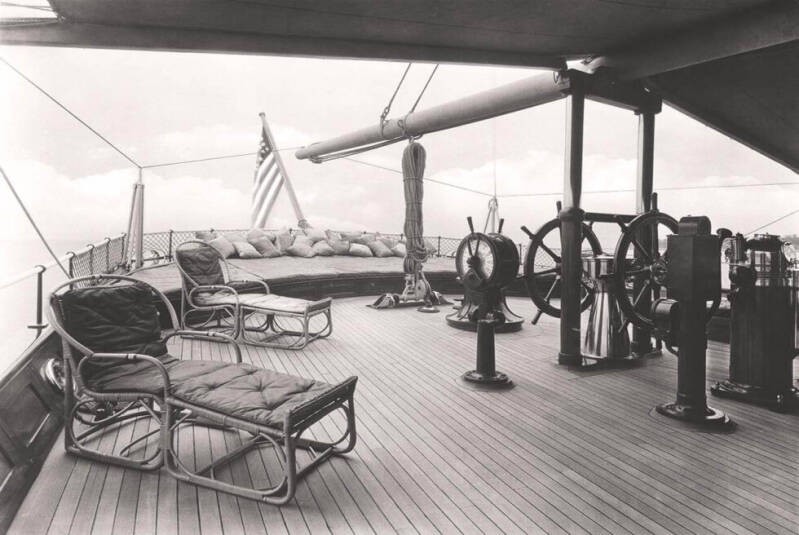
Photo of Majrorie Post's Yacht, The Sea Cloud, which is still in service today
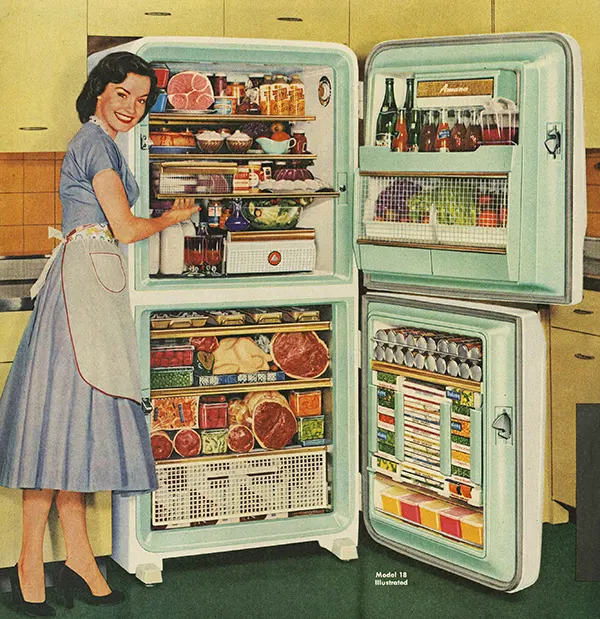
1956 Freezer Ad sourced from Rare Historical Photos