Soap: The Dirty History of Getting Clean
If you’ve ever felt truly clean, you have ancient chemists, boiled fat, and thousands of years of refinement to thank.
Life Before Soap
There was a time when clean was more hope than certainty. People rinsed their hands in rivers, splashed their faces in basins, and scrubbed stubborn dirt with water alone. Sometimes sand or ash helped loosen grime, but the feeling of being truly clean was far less reliable than it is today.
In ancient cultures, people worked with what they had. In Ancient Egypt, oils were rubbed onto the skin and scraped away with curved tools to remove sweat and dirt. In Ancient Rome, public baths used steam, water, and scraping to create an elaborate ritual of hygiene. These methods could refresh the body, but grease, odor, and unseen contamination often remained.
For much of history, cleanliness was a practice, not a guarantee.

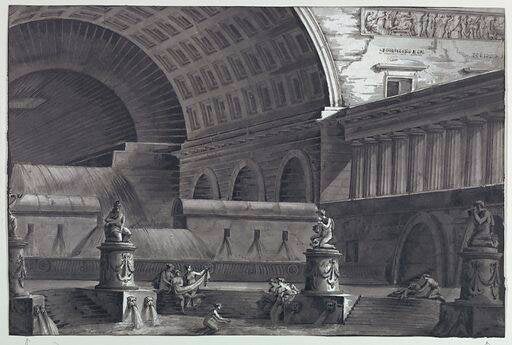
Horizontal rectangle. Interior of antique Roman Thermae (baths), richly decorated with coffered ceilings, sculptures, columns, and frieze. Groups of women bathing. Made in: Italy. Date: 1810s. sourced from Look and Learn History.
The First Soapmakers
Somewhere between accident and observation, early people discovered that boiling fats with ashes created something new. Around 2800 BCE, evidence from Babylon suggests soap-like substances were already being made and used for cleaning textiles and other practical purposes.
The combination mattered because wood ash contains alkaline compounds, and when mixed with fats and heat, it creates a cleansing substance that cuts through oil and residue far better than water alone.
Centuries later, writers such as Pliny the Elder described soap-like mixtures used by the Gauls. Versions of soap continued appearing across regions, though they were often rough, inconsistent, and used more for laundry or hair than for everyday bathing.
The idea had arrived, but the product still had a long way to go.

Ancient soap diagram dourced from Look and Learn.

An important Roman woman (centre) attends the baths with her servants in this mosaic from the villa at Piazza Armerina, Sicily sourced from English Heritage Org UK.
From Luxury to Necessity
By the 9th century, cities such as Aleppo were producing more refined soaps using olive oil and laurel oil. These soaps were gentler, more fragrant, and far more pleasant to use. Later, soapmaking spread to places like Marseille and Castile in Spain, where vegetable-oil soaps gained a reputation for quality.
Even then, soap remained expensive and inconsistent. Many households still used little of it.
That changed with chemistry and industry. In 1791, French chemist Nicolas Leblanc developed a process for producing soda ash from salt, making a key soap ingredient far more accessible. During the 1800s, factories increased production, lowered prices, and made soap available to ordinary households.
Companies such as Procter & Gamble helped turn soap into an everyday staple. In 1879, they introduced Ivory Soap, marketed as pure, gentle, and famously able to float.
When Clean Became Science
As soap became easier to buy, science gave people a deeper reason to use it. In the 1860s, Louis Pasteur helped establish germ theory, showing that many illnesses were caused by microscopic organisms rather than bad air or bad luck.
Suddenly, washing was not just cosmetic. It was protective.
Hospitals adopted better hygiene practices. Homes followed. Handwashing became one of the simplest and most powerful defenses against disease, especially in eras when infections that seem minor today could become deadly.
Soap kept evolving alongside that understanding. It softened, scented, specialized, and adapted to modern life. Bars for bathrooms, liquids for kitchens, formulas for sensitive skin, and products designed for countless daily uses followed.
Today, washing your hands feels automatic. Before meals, after errands, after touching something questionable. That ordinary habit is the result of ancient experiments, industrial progress, and scientific discovery working together.
Some inventions change the world loudly. Soap did it quietly, one wash at a time.

A replica of a Roman bathing set including a strigil and oil bottle sourced from English Heritage Org UK.

Ancient soap cylinder sourced from Heddler.
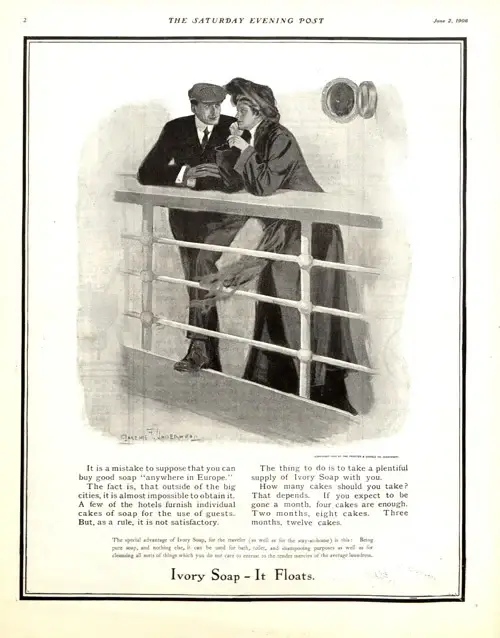
1906 Ivory Soap Ad sourced from Saturday Evening Post.
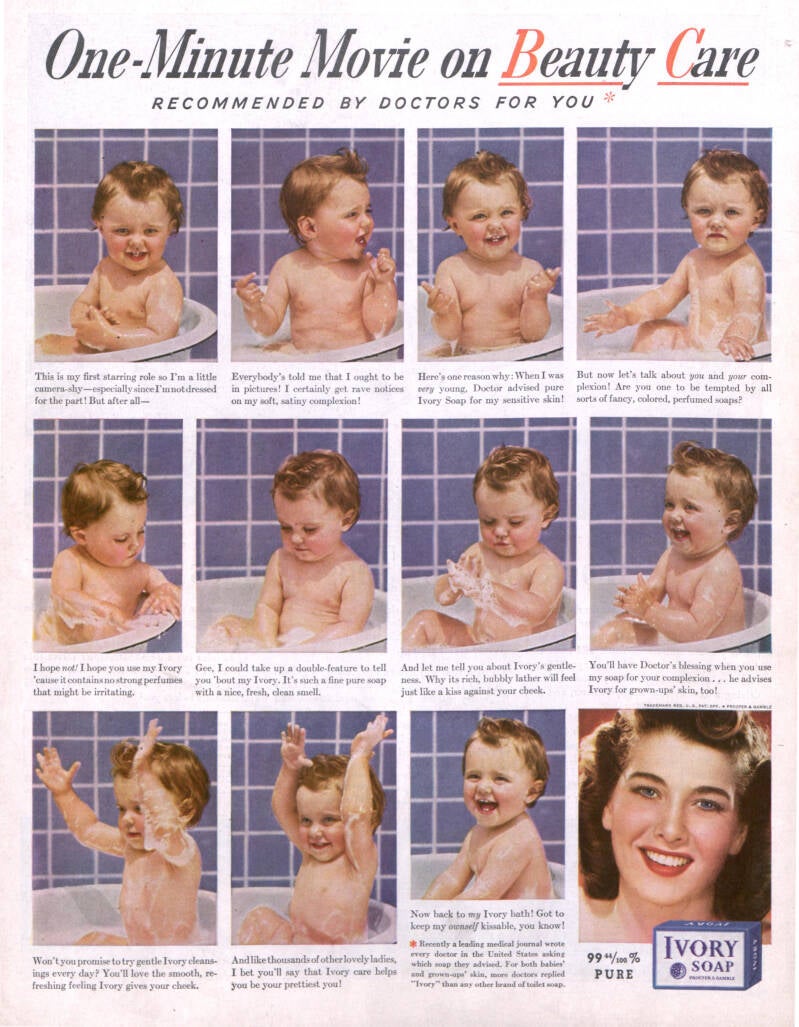
1941 soap ad sourced from Saturday Evening Post.
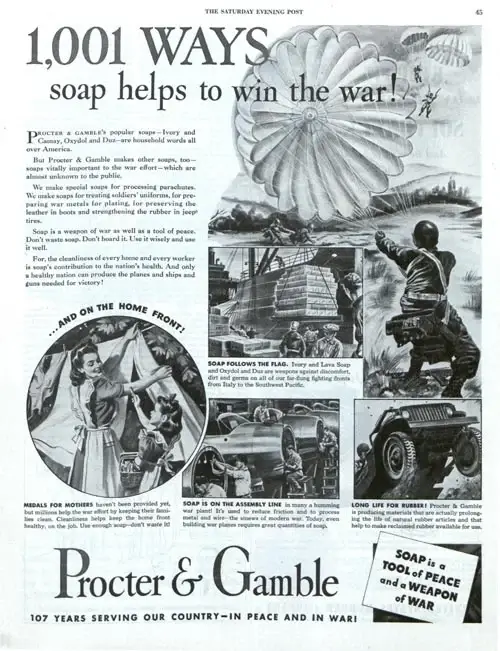
1944 soap ad sourced from Saturday Evening Post
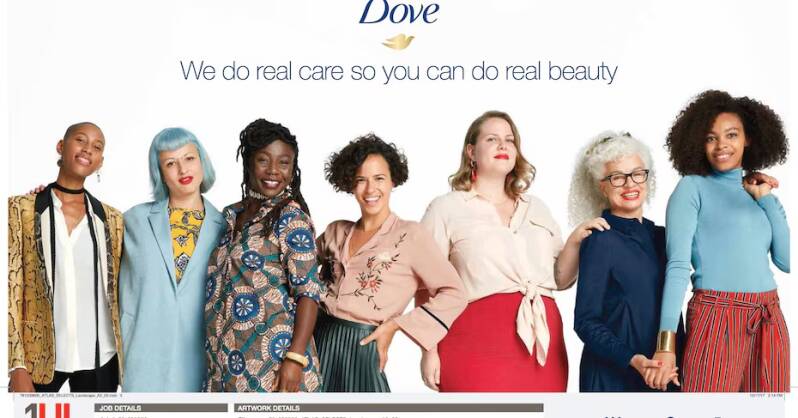
Dove "Real Beauty" campaign sourced from Dove.